







People's Choice Award·Cast your vote for the initiative that inspires you most!
Vote now

Meet the UN 2.0 Awards Shortlisted Projects

Explore 18 initiatives from across the UN system using new capabilities and approaches to drive stronger delivery and impact. 

UN 2.0 Awards · People's Choice

Celebrate the shortlisted teams with us!

Join the UN 2.0 Awards Ceremony to celebrate the teams bringing UN 2.0 to life across the UN system.

Details on Shortlisted Projects

Watch the pitches. Back your favourite.

No video
Scaled / Widely adoptedGlobal

Oky: Open-Source Menstruation Education and Tracking from and for Girls

1.2M+​
online users globally​
23+​
languages​
13+​
countries deployed​
1M+
girls reached offline​
Adolescent girls in low- and middle-income countries often have limited reliable, accessible sources of menstrual health information, and existing commercial apps were not built for them. Oky is an open-source menstruation education and period tracking app co-created with adolescent girls in low- and middle-income countries. Registered as a Digital Public Good, it operates across 13+ countries and 23+ languages via smartphone, SMS, IVR, and radio, scaled through a social franchise of local organizations.
Independent causal evaluation across three countries found one in three girls attributed changes in their menstrual health practices directly to Oky, with 60% spontaneously linking it to improved knowledge. Oky is integrated into Indonesia's national teacher platform, with potential reach of five million teachers, and endorsed across 223 School Division Offices in the Philippines. Over one million additional girls are reached through offline channels including SMS, IVR, radio, and peer learning.
View details0
No video
Early rolloutMauritius

Mauritius National Digital Health Systems Platform

213k​
patient visits digitized​
213k​
doctor interactions captured​
37k​
appointments facilitated​
23k​
Paper files migrated​
Mauritius's public healthcare system ran on fragmented, paper-based records, producing data loss, duplicate patient files, and no continuity of care across facilities, showing care gaps the COVID-19 pandemic made impossible to ignore. A national eHealth platform co-developed by UNDP and the Government of Mauritius is digitizing the full patient journey from registration to clinical consultation. Core modules include a Patient Administration System, Patient Portal, and Blood Bank system. A Digital Health Architecture Blueprint underpins the platform on zero-trust security principles.
Since going live, the platform has digitized 213,269 patient visits, captured 212,761 doctor interactions, facilitated 37,130 appointments and 6,162 admissions, and migrated 23,245 legacy paper files into the new system. Currently at early rollout stage within Mauritius, the initiative is on track for full island-wide deployment of the core Patient Administration System within 12 months, with specialty modules for oncology, eye, and mental health to follow in major hospitals.
View details0
No video
Early rolloutGlobal

Scout: AI-powered supply chain optimization for humanitarian food delivery

$6.8M​
In cost efficiencies, ​ West Africa 2024-25​
3​
regions deployed: WACARO, ESARO, Global SNF​
80+
countries supported​
98%
of purchases during​ optimal harvest windows​
WFP's global supply chain planning relied on manual, Excel-based processes with no end-to-end visibility, risk assessment, or ability to account for volatile demand and market disruptions. Scout is an AI-powered supply and inventory planning solution built on WFP's DOTS platform. It integrates demand forecasts, prices, capacities, lead times, risks, inventory, and donor constraints to generate optimized monthly procurement, pre-positioning, and transport plans for WFP's Global Commodity Management Facility.
In West Africa, Scout delivered USD 6.8 million in cost efficiencies in 2024-2025, with 98% of purchases executed during optimal harvest windows. Now in early rollout across multiple regions including WACARO, ESARO, and Global SNF, the platform supports upstream planning across 80+ countries and thousands of suppliers, shifting WFP from reactive, manual planning to integrated, AI-driven decision-making.
View details0
No video
Scaled / Widely adoptedGlobal

Displacement Tracking Matrix: Strengthened Data Foundations

70%
Reduction in data-to-​ analysis time​
35​
country operations standardized​
200k+​
API requests served​ since April 2025​
1700​
questions in standardized​ Question Bank​
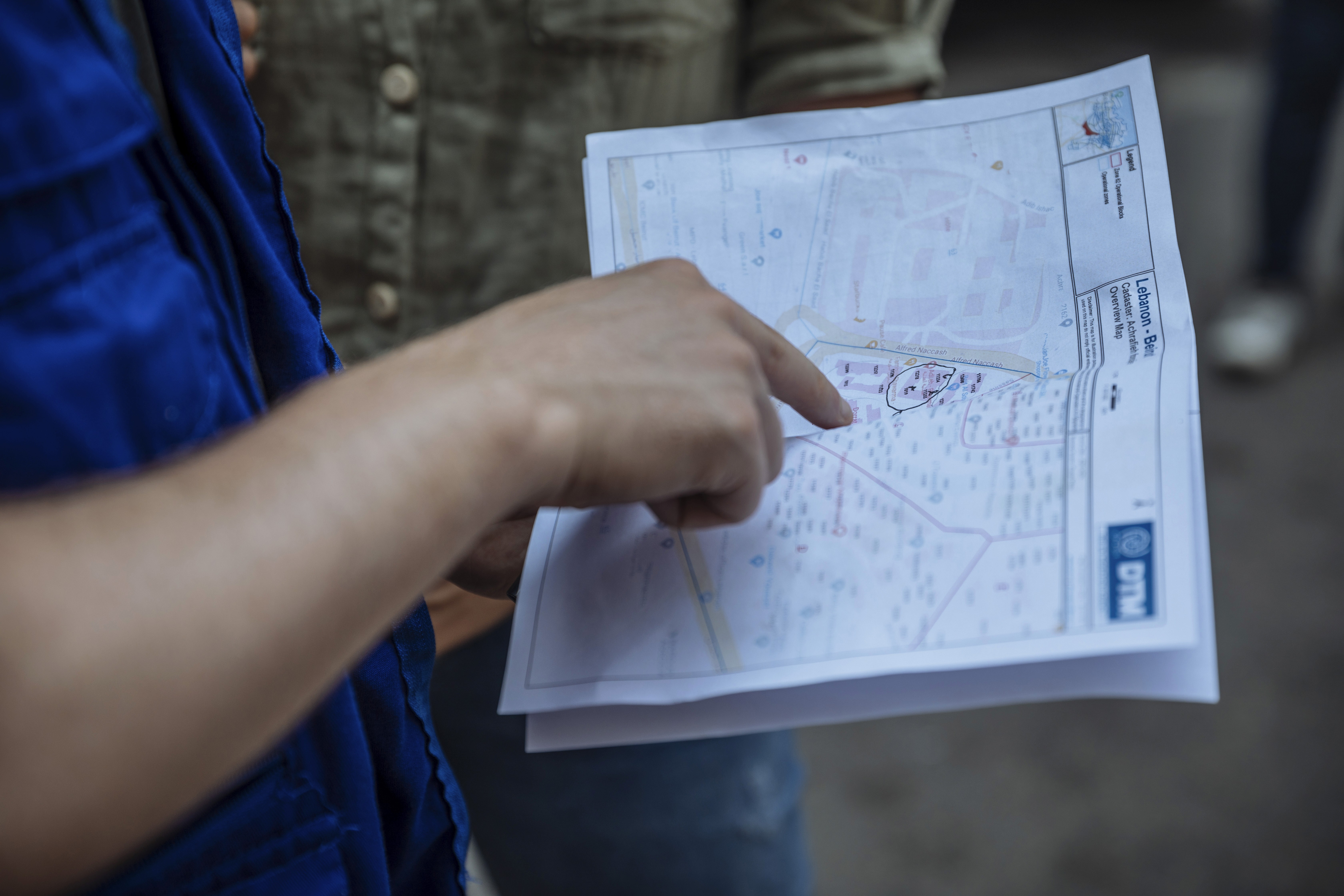
Displacement data from 100+ country operations is collected through different tools, languages, and methods: making global consolidation slow, costly, and manual. DTM Data Foundations bridges local context and global comparability through a suite of tools built around a 1,700-question standardized Question Bank. Country data flows automatically into a Central Data Warehouse and Data Lake, where figures from conflict, climate, and economic crises can be consolidated and compared. A public API makes that data available to partners.
Data-to-analysis time has been reduced by 70%, eliminating weeks of manual cleaning across 35 country operations. Displacement data for tens of millions of people now flows automatically into a structured, AI-ready system. The DTM API has served over 200,000 requests since April 2025, giving UN agencies, governments, and NGO partners instant programmatic access to live, de-conflicted displacement data. The Data Kit is currently deployed across 35 country missions, with rollout to all 100+ operations planned within six months.
View details0
No video
Scaled / Widely adoptedAfrica

ClimWeb: Climate Services Platform for National Meteorological Institutions

3000%​
increase in early​ warnings published​
250+​
weather stations contributing​ to global data exchange​
48​
institutions deployed​
41​
countries deployed​
In 2024, 85% of National Meteorological and Hydrological Services in Africa lacked tools to deliver climate services, and 52% had no digital presence at all. Life-saving climate information was failing to reach populations most at risk. ClimWeb is a free, open-source platform purpose-built for National Meteorological and Hydrological Services, giving institutions a single integrated system to produce, publish, and communicate authoritative climate information. Designed for low-resource environments, it is deployable by any institution regardless of technical capacity.
Two years after launch, 76% of participating countries in Africa have state-of-the-art climate service systems built with ClimWeb, up from 15% in 2024. Early warnings published to the public have increased by 3,000%, reaching millions of people across the continent in standardized CAP format, automatically discoverable by Google Public Alerts. Over 250 weather stations have initiated international data exchange, increasing African observational data feeding into global forecast models. ClimWeb is now expanding beyond Africa, with early adopters in Syria, Moldova, and Haiti.
View details0
No video
Scaled / Widely adoptedUkraine

Future-Proof Social Protection in Ukraine: Unified Information System (UISSS)

20 M
Ukrainians receiving assistance ​
100​
Social services and benefits automated ​
15​
Sub-systems unified ​
50
State registries interacting with UISSS​
Ukraine's social protection system relied on fragmented registries, paper-based workflows, and manual verification. UISSS is a national interoperable platform integrating multiple social registries, programmes, and service providers into a single system. It automates eligibility verification, case management, and benefit administration while enabling secure data exchange with other state systems. It digitized end-to-end workflows from application to payment.
UISSS is now a nationwide system managing millions of beneficiary records through a unified platform. It has significantly reduced processing times for social assistance applications, eliminated duplicate records through interoperable data exchange, and improved crisis responsiveness during displacement. The system operates at national scale in Ukraine, serving both day-to-day social services and emergency response within one government-owned platform.
View details0
No video
Scaled / Widely adoptedHonduras

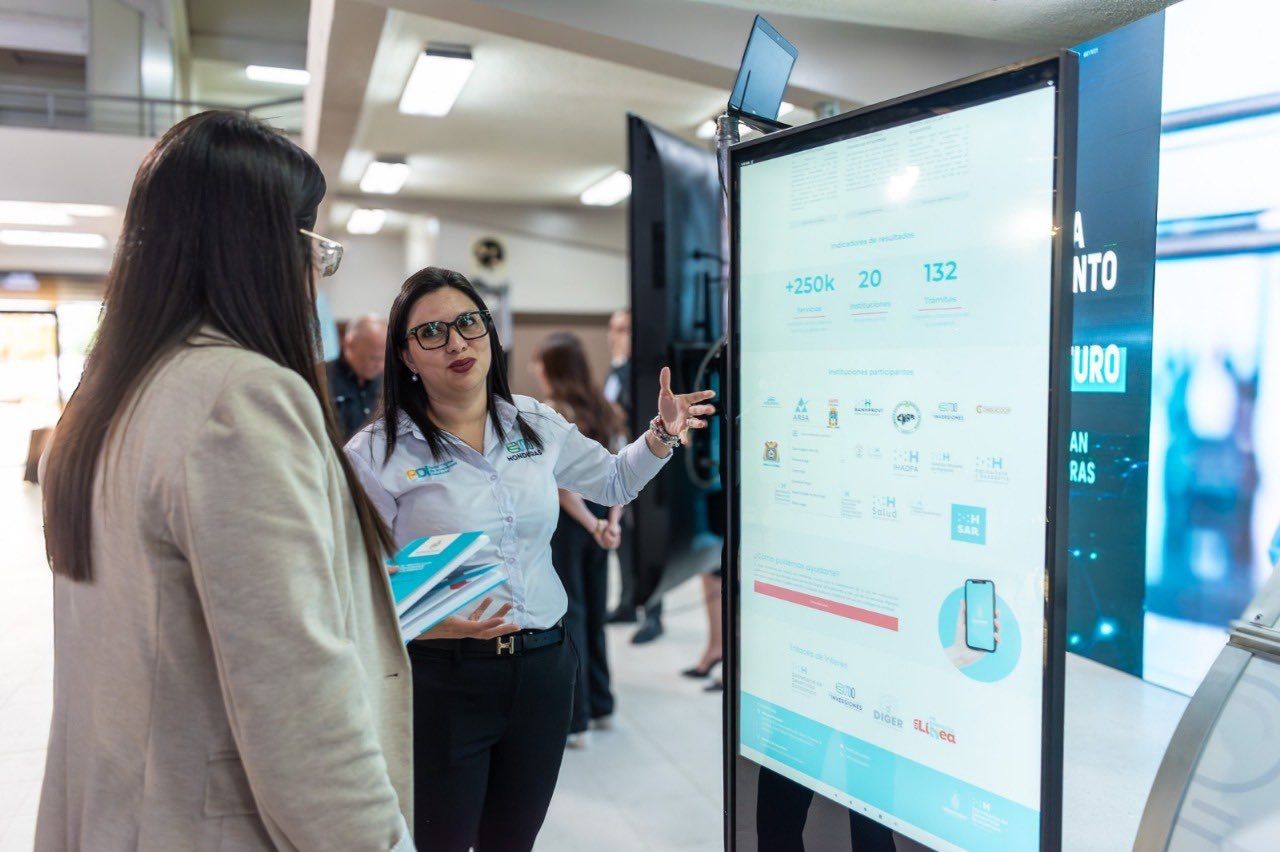
Digital Investment Portal: Simplifying Business and Investment in Honduras

140+​
procedures digitized
50k+​
registered users​
300k+​
online services delivered​ to citizens​
30-90
per cent reduction in​ procedure response time​
Starting a business in Honduras requires 11 procedures and takes 42 days. Dispersed information, bureaucratic processes, and fragmented systems deter investment. The Digital Investment Portal supports Honduras in building a digital ecosystem to revitalize its business climate. Using UNDP's SIGOB methodology, it subjects investment procedures to radical simplification, digitization, and automation across 21 institutions.
In 18 months, over 140 procedures were digitized and automated across 21 institutions, delivering more than 300,000 online services to citizens and registering over 50,000 users. Response times for procedures have been reduced by between 30% and 90% depending on the service. The platform now serves everyone from local micro-entrepreneurs to international investors seeking entry into the Honduran market.
View details0
No video
Scaled / Widely adoptedArgentina

Incentive-Aligned Nature Conservation: Jaguar Protection Insurance

0
jaguars killed during​ the pilot period​
6
predations compensated​ within 10 days​
300%
increase in predation​ reports after launch​
100k
people covered province-​ wide​
Fewer than 90 jaguars survive in Argentina's Misiones rainforest. When a jaguar kills livestock, the loss can represent months of income for subsistence farmers, making retaliatory killing a desperate response to uncompensated loss. The Jaguar Protection Insurance transfers risk management to a private insurer and verification to conservation NGOs. Farmers are compensated within 10 days at no cost. The provincial government purchases the policy on their behalf.
During the pilot period, zero jaguars were reported killed in retaliation in covered areas. Six jaguar predations were confirmed and compensated within 10 days. A 300% surge in predation reports after launch revealed years of systematic under-reporting, reshaping the actuarial model and demonstrating that restoring farmer trust unlocks data previously invisible to the system. The scheme scaled from 20,000 to 100,000 people covered following the pilot.
View details0
No video
Scaled / Widely adoptedIndia

JustAsk! AI chatbot providing reproductive health information for Indian youth

~1M
unique users across 20 states​
90k
users connected​ to health services​
3.6M​
Queries processed ​
45%
female users​
India's youth faces unmet sexual and reproductive health needs, but stigma and conservative norms limit open discussion. Misinformation persists and care-seeking is delayed. JustAsk! is a 24/7 AI chatbot offering a safe, non-judgmental platform for youth to access expert-validated sexual and reproductive health and mental health information. Built on a controlled AI architecture with human-centred design, it delivers personalised, multilingual support across WhatsApp in five Indian languages via the government's Bhashini AI platform.
Since launching in mid-2023, JustAsk! has reached nearly one million unique users across 20 states, resolving over 3.6 million queries. Around 45% of users are female, reaching a demographic that faces the highest barriers to confidential health information. Nearly 90,000 users have been connected to health facilities and helplines.
View details0
No video
Scaled / Widely adoptedGlobal

Managing Exits from Armed Conflict (MEAC)

79k
interviews conducted​ across 6 countries​
$11M​
raised since 2018​
86
publications, ​ 10,000+ downloads ​
44
events reaching 3,500​ participants in 2025​
Since 2019, MEAC has conducted 78,500 interviews across six countries, produced 86 publications with over 10,000 downloads since January 2025, and built 10 interactive dashboards generating 5,800 views. Its Conflict Exits Assessment Framework has informed the revision of the Integrated DDR Standards and operationalized the Vancouver Principles. In 2025 alone, 44 events reached 3,500 participants across high-level fora including the Stockholm Forum and Geneva Peace Week.
View details0
No video
Early rolloutGlobal

Connectivity for Refugees: Expand Connectivity for Displaced People Globally

1.2M​
people reached​ across 15 countries​
30+​
community connectivity​ sited deployed​
$ 3.5M​
mobilized in direct​ contributions​
8
countries had data​ products produced​
Active across 15 countries, the initiative has reached approximately 1.2 million forcibly displaced people and host community members through infrastructure, policy, and programme interventions. Over 30 community connectivity sites have been deployed, and upgraded networks have reached over one million people in remote areas. Policy and regulatory changes have been advanced in two countries, and decision-quality data products on network availability and uptake have been produced for eight countries.
View details0
No video
Scaled / Widely adoptedGlobal

Bebbo: Open-Source Parenting Support App for Caregivers

1.75M​
downloads across​ 20 countries​
87%​
user satisfaction across​ 24,000 surveyed parents​
79%​
improved understanding​ of responsive parenting​
85%​
report better ability​ to track child development​
Bebbo is available in 20 countries across five continents in 28 language variations, with 1.75 million downloads and 100,000 to 300,000 weekly active users. Among 24,000+ surveyed users, 87% report satisfaction, 79% improved understanding of responsive parenting, and 85% report better ability to track child development.
View details0
No video
Scaled / Widely adoptedGlobal

UN Security Emergency Response Team: Crisis Surge Within 72 Hours

107​
deployments across​ 25 countries​
5-7
day average ​ response time​
$8M​
in in-kind expert​ support mobilized​
9
active standby partners​
Since 2023, ERT has supported 21 emergency responses across 10 high-risk contexts, delivering 107 surge deployments across 25 countries with an average response time of 5 to 7 days. Approximately USD 8 million in in-kind expert support has been mobilized across 8 countries through the Standby Partnership Programme.
View details0
No video
Scaled / Widely adoptedGlobal

Compass: Geospatial and AI Evidence Chain for Conflict Response
1.7M​
beneficiaries ​ tracked in 2025​
288k​
explosive remnants​ destroyed or rendered safe​
18​
conflict and crisis​ contexts​
$1B​
economic zone underpinned​ in Afghanistan​
Compass is operational in 18 conflict-affected settings since 2018. For example, in Afghanistan, Compass-supported land release underpinned the development of 4,000 family homes, 9 schools, 100+ km of roads, and a USD 1 billion economic zone. Over 1.7 million beneficiaries of risk education were tracked through the global information management system in 2025, and 287,699 explosive remnants of war were destroyed or rendered safe.
View details0
No video
Early rolloutGlobal

WFP People Portal: Platform for Families to Get Humanitarian Aid in 48 Hours

16M+
people registered​ across 13 countries​
$32M​
In operational savings​ since 2023​
6.7M​
people registered in​ Sudan in one week​
$11.5​
reduction in cost per​ registration​
Since 2023, over 16 million people have self-registered across 13 countries, including 6.7 million in Sudan in one week, 2.2 million in Ukraine, and 2 million in Palestine. Registration and delivery time has been reduced from 4 to 6 weeks to 48 hours, saving an average of 19 days per operation. Total operational savings since 2023 amount to USD 31.7 million.
View details0
No video
Scaled / Widely adoptedGlobal

Standardizing CO2 Measurement: Carbon Emissions Calculator (ICEC)

193​
ICAO Member States adopted methodology​
Most​
UN organizations use method for greenhouse gas inventories​
Millions​
Of tickets raised annually ​
API​
Service integrated in major public and private sector systems ​
The ICEC web portal is one of the most visited pages on the ICAO website, with millions of tickets issued annually including ICEC-based emissions estimates. The tool supports UN greenhouse gas inventories and is referenced in the Greening the Blue report, with multiple UN organizations relying on it for travel-related emissions reporting. A data agreement with a major global travel reservation system has significantly expanded real-world visibility and behavioural impact at point of purchase.
View details0
No video
Scaled / Widely adoptedMENA

eUNRWA: Platform Providing Refugees Remote Access to UNRWA Services

250k+​
refugees digitally​ verified since mid-2023​
<1%
fraud case rate​
18k+
identity verification ​ requests handled​
5
fields of operation: Gaza,​ West Bank, Jordan, Lebanon, Syria​
More than 250,000 Palestinian refugees were digitally verified through eUNRWA between mid-2023 and early 2026, the first large-scale digital identity verification exercise in UNRWA's history. Over 18,000 identity verification requests have been handled through the platform, with AI managing the bulk automatically and confirmed fraud cases below 1%.
View details0
No video
Scaled / Widely adoptedGlobal

AI-powered Translation Technologies for the UN system

290+​
words translated in 2025 across 11 organizations​
34%​
of sentences recycled from previously issued texts​
1,200​
professional translators using eLUNa globally​
30-70%​
estimated reduction in translation costs​
eLUNa has been widely adopted by teams across the UN system, enabling significantly faster and more cost-effective translation workflows while maintaining high quality across the six official languages. Under HLCM and UN80 umbrella, further scaling and solution development is under way.
View details0

Celebrate the shortlisted teams with us! 

Join the UN 2.0 Awards Ceremony to celebrate the teams bringing UN 2.0 to life across the UN system. 

Register for the Awards Ceremony

Celebrating UN 2.0 In Practice  

Meet the UN 2.0 Awards Jury 

The shortlisted projects will be reviewed by a distinguished jury of leaders and experts from across the UN system and beyond. Together, they will help recognize the teams and initiatives demonstrating what UN 2.0 looks like in practice. 

Meet the Jury